

The Do’s and Don’ts of Shed Maintenance
Good shed maintenance comes down to keeping your building clean, dry, and clear of debris, checking it after storms, and fixing small issues like scratches, loose fasteners, or sticking doors early. A steel shed needs far less care than wood, but a few simple habits keep it working and looking good for decades.
This guide covers how to maintain a shed from top to bottom: what to do, what to avoid, how often to check it, how to clean it, and how to handle common repairs.
What should you know about shed maintenance?
TL;DR:
-
Keep the roof, base, and walls clear of leaves, dirt, and mulch.
-
Make sure water drains away from the building.
-
Check doors, fasteners, and the roof once a season and after major storms.
-
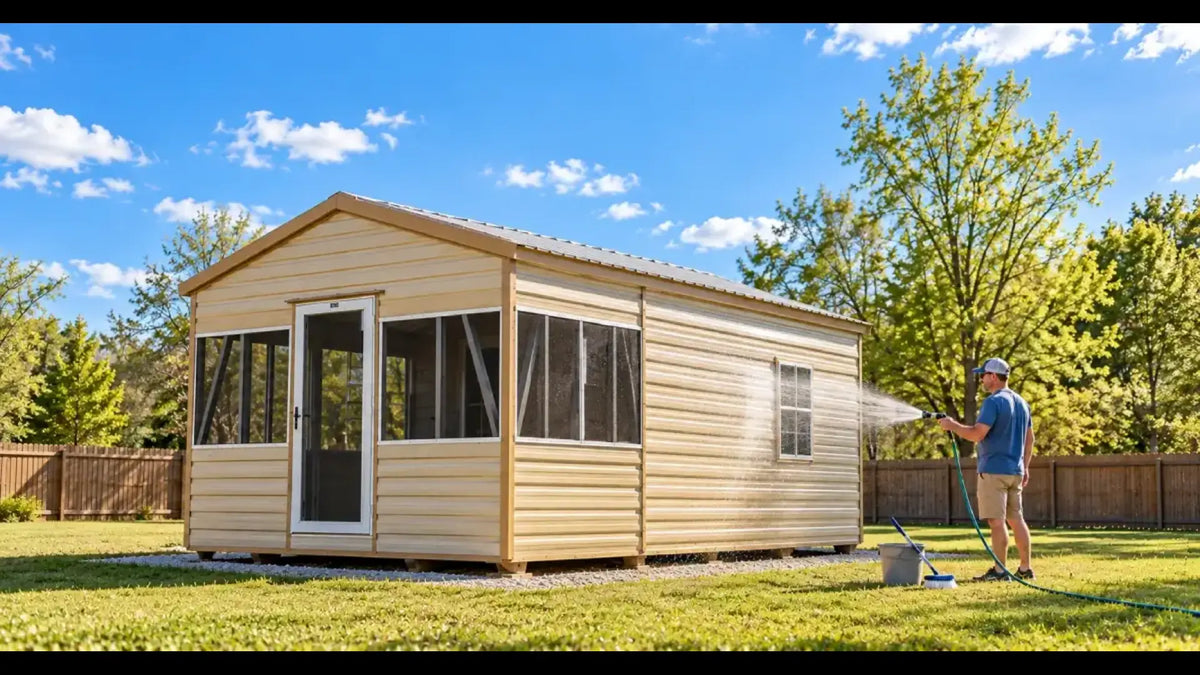
Clean with a garden hose, mild soap, and a soft brush. Skip harsh chemicals and close-range pressure washing.
-
Fix small problems early. Touch up scratches, tighten fasteners, and address sticking doors before they get worse.
-
Most of the time, a sticking door or a leak traces back to leveling, drainage, or debris.
What are the do’s of shed maintenance?
These habits do the most to protect your building:
-
Do keep debris off the roof. Leaves and pine needles hold moisture and block water from running off.
-
Do keep the base clear. Leave a gap between the walls and any mulch, soil, or plants.
-
Do maintain drainage. Water should flow away from the building, not pool around it.
-
Do keep air moving. Open doors on dry days and keep vents and windows clear.
-
Do check doors and hardware. Make sure doors open, close, and latch smoothly.
-
Do tighten loose fasteners. Snug them up without overtightening to keep panels secure.
-
Do touch up scratches. Cover deep scratches that expose bare metal before rust can start.
-
Do trim nearby trees. Overhanging branches drop debris and can damage the roof in storms.
What are the don’ts of shed maintenance?
These common mistakes cause most avoidable damage:
-
Don’t pressure-wash seams at close range. High pressure can force water into seams and strip finishes.
-
Don’t use harsh or abrasive cleaners. Bleach, solvents, and scouring pads can damage protective coatings.
-
Don’t pile things against the walls. Firewood, mulch, and stacked items trap moisture against the siding.
-
Don’t block vents or windows. Poor airflow leads to condensation, mildew, and musty smells.
-
Don’t overload lofts and shelves. Stay within reasonable weights and spread heavy items out.
-
Don’t drill into panels without a plan. Extra holes can let in water if they aren’t sealed.
-
Don’t ignore small issues. A loose fastener or sticking door is easier to fix now than later.
-
Don’t let water pool. Standing water near the base softens the ground and invites rust.
How often should you do shed maintenance?
A steel shed doesn’t need constant attention. A quick routine covers most of what it needs.
What should you check every month?
-
Look for standing water around the base
-
Clear leaves and debris from the roof and around the walls
-
Open and close the doors and check the locks
-
Look inside for signs of moisture, leaks, or pests
What should you check every season?
-
Inspect roof panels and fasteners
-
Check for scratches, dents, or early signs of rust
-
Test vents and make sure airflow isn’t blocked
-
Confirm the building still sits level
-
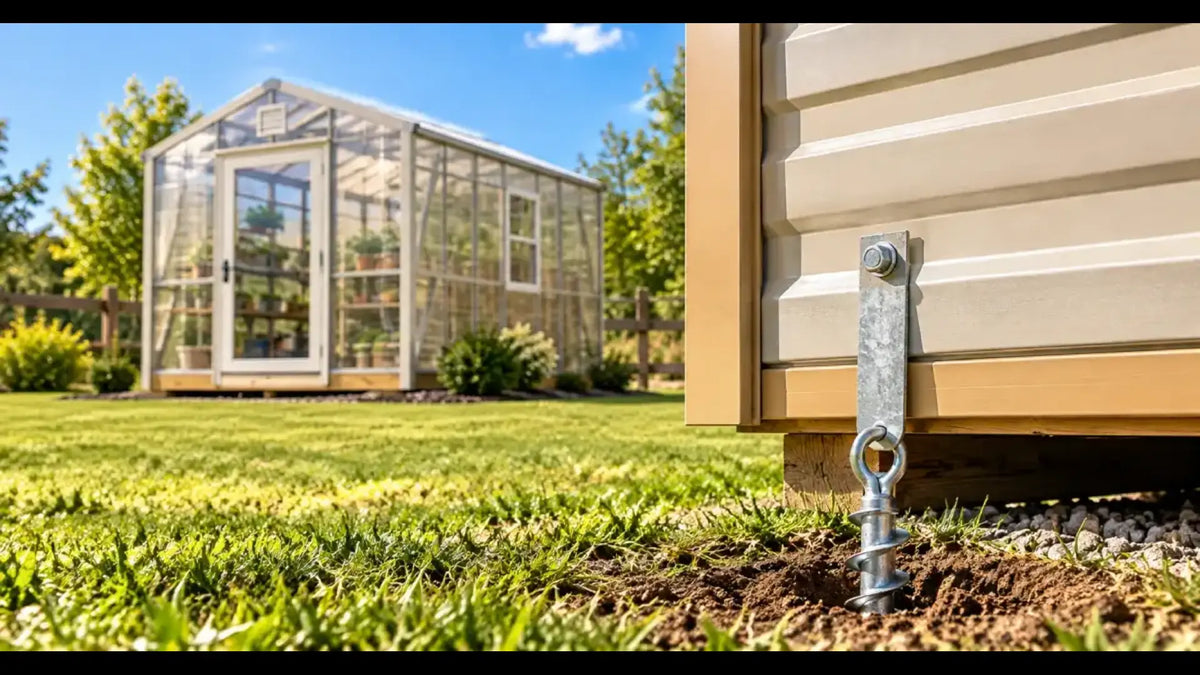
Check anchors or tie-downs, if your building has them
-
Give the exterior a gentle cleaning
What should you check after a major storm?
-
Look for loose panels, dents, or damaged trim
-
Clear fallen branches and debris
-
Check doors and seals for problems
-
Look inside for water that got in
-
Make sure drainage paths are still clear
For more detail on what to look for during inspections, see our metal shed maintenance checklist.
How do you clean a shed?
A gentle cleaning once or twice a year keeps your shed looking good, and a clean shed makes problems like scratches and loose fasteners easier to spot. Here’s how to clean a shed safely:
-
Clear the roof. Use a soft broom or leaf blower to remove leaves, needles, and debris.
-
Rinse the exterior. Spray the siding with a garden hose from top to bottom.
-
Wash with mild soap. Mix a little dish soap or car wash soap with water and scrub with a soft brush or sponge.
-
Rinse again. Wash away all soap so it doesn’t leave a film.
-
Clean the interior. Sweep the floor, wipe down shelves, and remove cobwebs.
-
Let it dry. Leave the doors open on a dry, breezy day to air everything out.
For stubborn mildew, a mild solution of water and vinegar usually works without harming the finish.
How do you keep moisture out of a shed?
Moisture is the biggest long-term threat to anything stored in a shed. Keep it under control with a few simple steps:
-
Improve airflow with vents, windows, or by opening the doors on dry days.
-
Keep water away from the base with good drainage and a clear perimeter.
-
Store items off the floor on shelves or pallets.
-
Use moisture absorbers in enclosed corners if humidity is high.
-
Consider insulation, which helps reduce condensation on the inside of steel panels.
In the humid Southeast, airflow and drainage matter more than almost anything else. Our post on which portable storage buildings resist humidity and mold covers this in more detail.
How do you prevent rust on a steel shed?
Quality steel sheds use protective coatings like galvanized steel and Galvalume roofing, which resist rust well. Rust usually starts where a coating is damaged or where moisture sits against the metal for long periods.
To prevent it, touch up deep scratches with a zinc-rich touch-up paint, keep debris and mulch away from the walls, and make sure water drains away. Our guide to the galvanized steel shed explains how these coatings work and what “white rust” means.
How do you handle common shed repairs?
Most repairing shed tasks are small and easy to handle yourself. Here are the most common ones.
How do you fix scratches and small dents?
Clean the area, let it dry, and apply a zinc-rich touch-up paint to any spot where bare metal shows. Small dents that don’t break the coating are usually cosmetic and can be left alone.
How do you fix loose fasteners?
Tighten loose screws with a drill or screwdriver until they’re snug. Overtightening can crush the washer and cause leaks, so stop once the screw is firm. Replace any fasteners that are stripped or missing.
Why is my shed door sticking?
A sticking door is often a sign that the building has shifted slightly out of level, not a problem with the door itself.
For example, say a homeowner notices the door rubbing at the top corner after a rainy season. They check the base and find the ground has softened on one side, letting the building settle. Improving drainage and having the building re-leveled usually fixes the door. Our guide on how to level ground for a shed explains why level ground matters.
How do you fix a roof leak?
Look for loose or missing fasteners, worn washers, and debris trapped along the roof. Tightening or replacing fasteners and clearing debris solves many leaks. If water keeps getting in, contact your local Action Buildings location before it damages the floor or stored items.
When should you call for help?
Some repairs are best left to the pros:
-
The building needs to be re-leveled or moved
-
Framing is bent or damaged
-
Large panels are torn or badly dented
-
A leak continues after basic fixes
Contact your local Action Buildings location for help, and check your warranty before making structural changes.
How do you protect the floor and interior?
The inside of your shed needs a little attention too:
-
Use shelving and hooks to keep items off the floor and organized.
-
Wipe up spills quickly, especially oil, gas, and chemicals.
-
Use mats under equipment that may leak.
-
Spread out heavy items instead of concentrating weight in one spot.
-
Keep the area dry with good airflow and drainage.
For storage ideas that make upkeep easier, our guide on how to customize a shed covers shelving and loft options.
Frequently Asked Questions About Shed Maintenance
For more quick answers, visit our FAQ page.
How long does shed maintenance take each year?
For a steel shed, usually just a few hours a year: a few minutes each month, about an hour each season, and a quick walk-around after storms.
Can I pressure wash my shed?
A low-pressure setting from a safe distance can work, but a garden hose and soft brush are safer. High pressure at close range can force water into seams and damage finishes.
What tools do I need for shed maintenance?
A garden hose, mild soap, a soft brush, a leaf blower or broom, a drill or screwdriver, a level, and zinc-rich touch-up paint cover almost everything.
Is maintenance different for steel and wood sheds?
Yes. Wood sheds need regular painting or staining, sealing, and termite monitoring. Steel sheds mostly need cleaning, debris removal, and quick checks of fasteners and drainage.
What should I do if my shed shifts or settles?
Check whether water is pooling or the ground has softened under one side. Fix the drainage, then contact your local Action Buildings location to have the building re-leveled.
Final answer: how do you maintain a shed?
Keep it clean, dry, and clear of debris. Check it monthly, inspect it each season, and walk around it after major storms. Clean it gently, fix small issues like scratches, loose fasteners, and sticking doors early, and avoid the habits that trap moisture against the building.
With a steel shed, that routine takes just a few hours a year and helps your building last for decades.
Shopping for a building that’s easy to care for? Explore our Americana steel shed to see a low-maintenance option built for Southeast weather.
Share:
How to Winterize a Shed for Cold Weather in Birmingham, AL
What Is a Galvanized Steel Shed? Rust, Upkeep, and Lifespan