

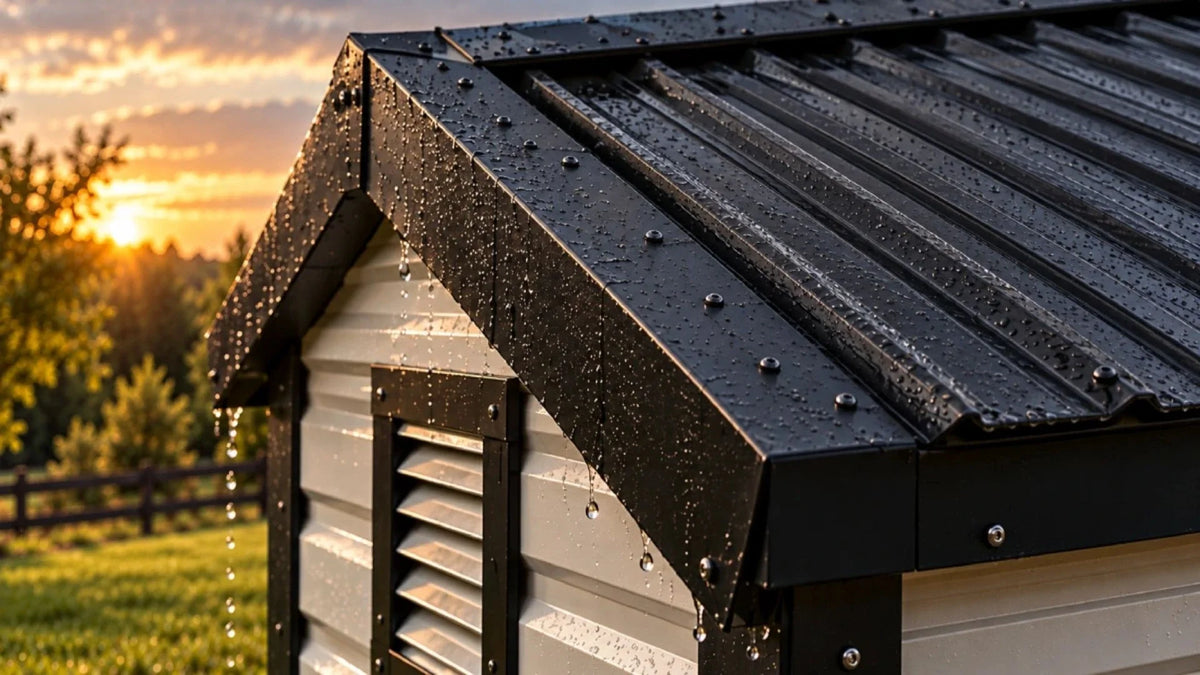
What Is a Galvanized Steel Shed? Rust, Upkeep, and Lifespan
A galvanized steel shed is built from steel coated in a protective layer of zinc. The zinc shields the steel from moisture and slows rust, so the building needs far less upkeep than wood and holds up well in humid, rainy climates. It’s one of the most durable, low-maintenance shed options you can buy.
This guide explains how galvanizing works, how it compares to other steel coatings, whether galvanized steel can rust, and what “low maintenance” really looks like over the life of the building.
What should you know about galvanized steel sheds?
TL;DR:
-
Galvanized steel has a zinc coating that protects it from moisture and rust.
-
Zinc corrodes before the steel underneath, which helps protect small scratches and cut edges.
-
Galvalume is a related coating made with aluminum and zinc, often used on roofs.
-
Galvanized steel can still rust if the coating is badly damaged or moisture sits on it for long periods.
-
Galvanized steel sheds are low maintenance, not no maintenance. A few quick checks a year go a long way.
-
A quality steel shed typically lasts 20 to 30+ years with basic care.
What is a galvanized steel shed?
A galvanized steel shed uses steel that has been coated with zinc, usually by dipping it in molten zinc or applying zinc during manufacturing. The coating bonds to the steel and forms a barrier between the metal and the weather.
In a well-built shed, galvanized steel is used where strength matters most, especially the framing. That’s why a galvanized storage shed resists the warping, rot, and termite damage that wear down wood buildings over time.
How does galvanizing protect steel from rust?
Steel rusts when iron reacts with oxygen and moisture. Galvanizing protects it in two ways:
-
Barrier protection. The zinc layer keeps water and air from reaching the steel underneath.
-
Sacrificial protection. Zinc corrodes more readily than steel. If the coating gets a small scratch, the surrounding zinc corrodes first, which helps protect the exposed steel.
That second point is what sets galvanized steel apart from simply painted steel. Paint only protects as long as it’s intact, while zinc keeps working around minor scratches and cut edges.
What’s the difference between galvanized, Galvalume, and painted steel?
You’ll see these terms on spec sheets. Here’s what each one means:
| Coating | What it is | Main strength | Common use |
|---|---|---|---|
| Galvanized | Steel coated in zinc | Strong rust protection, protects small scratches | Framing and structural parts |
| Galvalume | Steel coated in an aluminum and zinc alloy | Long-lasting weather and corrosion resistance | Roofing and siding panels |
| Painted steel | Steel with a paint finish, often over a protective coating | Color and appearance | Siding and trim |
What does Action Buildings use?
Our standard buildings use galvanized 18-gauge steel framing, steel siding, and Galvalume steel roofing. The framing gets zinc protection where strength matters most, and the roof gets a coating built for long-term sun and rain exposure.
Does a galvanized steel shed rust?
It can, but it’s much less likely than with untreated steel, and it usually starts in specific situations. If you’re wondering whether metal sheds rust in general, the answer depends heavily on the coating and the care.
Rust or corrosion on a galvanized steel shed usually shows up when:
-
A deep scratch or dent removes the coating over a larger area
-
Leaves, dirt, or mulch stay piled against the panels and hold moisture
-
Water pools around the base or on a flat surface for long periods
-
Items lean against the walls, like firewood stacked against the siding, and trap damp air
You may also see “white rust,” a white, powdery film that can form when zinc stays wet without airflow. It’s a surface reaction of the zinc itself, and improving airflow and drainage usually keeps it from coming back.
To prevent rust, keep the area around your shed clear, make sure water drains away, and touch up any deep scratches that expose bare metal with a zinc-rich touch-up paint.
Good drainage starts with site prep, which our guide on how to level ground for a shed covers. Our post comparing steel sheds with wood and plastic covers how steel’s rust resistance stacks up against other materials.
Are galvanized storage sheds really maintenance-free?
Not quite, but they come close. A galvanized storage shed is low maintenance, not no maintenance. You won’t need to paint, stain, seal, or treat it for termites, but a few simple checks keep it in great shape.
Here’s the small amount of upkeep that’s still worth doing:
-
Clear leaves and debris from the roof and base
-
Check that water drains away from the building
-
Look over fasteners and doors once a season
-
Inspect for dents or scratches after major storms
-
Keep vents and windows clear for airflow
For a full schedule, our metal shed maintenance checklist breaks these tasks down by month, season, and storm.
What does a year of care look like?
Say two neighbors buy sheds the same spring, one wood and one galvanized steel. Over the next year, the wood shed owner treats it for termites, touches up peeling paint on the sunny side, and reseals a door that swelled during a wet summer.
The steel shed owner rinses off pollen, clears leaves from the roof in the fall, and checks the doors and fasteners after a big storm. Both buildings look good at the end of the year, but one took a few weekends of work and the other took a few hours.
What are the best materials for low-maintenance garden sheds?
If low maintenance is your top priority, here’s how common shed materials rank:
-
Galvanized steel: resists rot, termites, and moisture, and doesn’t need painting or sealing. Strong enough for heavy equipment.
-
Vinyl: resists moisture and doesn’t need painting, but durability depends on the framing underneath.
-
Plastic or resin: needs little care, but can fade, flex, or become brittle over years of sun exposure.
-
Wood: needs the most upkeep, including painting or staining, sealing, and pest monitoring.
For most low maintenance sheds, galvanized steel offers the best balance of durability and easy care, especially for storing heavier items.
How can you tell if a shed is really galvanized?
Many sheds are marketed as “steel,” but that doesn’t always mean every part is galvanized or that the coating is heavy-duty. Before you buy, ask the seller a few direct questions:
-
Which parts are galvanized? Framing, siding, roofing, or all three?
-
Is a coating weight listed? Galvanized steel is often rated by coating weight, like G60 or G90. A higher number means a thicker zinc coating.
-
What gauge is the framing? Lower gauge numbers mean thicker, stronger steel.
-
What’s on the roof? Look for Galvalume or a similar protective roof coating.
-
Is there a floor? Many low-cost metal kits have no floor at all, which leaves stored items on the ground.
A seller who can answer these quickly and clearly is usually confident in what they’re building. If the answers are vague, treat “steel” as a starting point, not a guarantee.
How does a galvanized steel shed handle Southeast weather?
The Southeast is hard on outdoor buildings, with high humidity, heavy rain, strong sun, and storm seasons. Galvanized steel is a strong fit for these conditions because it doesn’t absorb moisture, swell, or rot the way wood can.
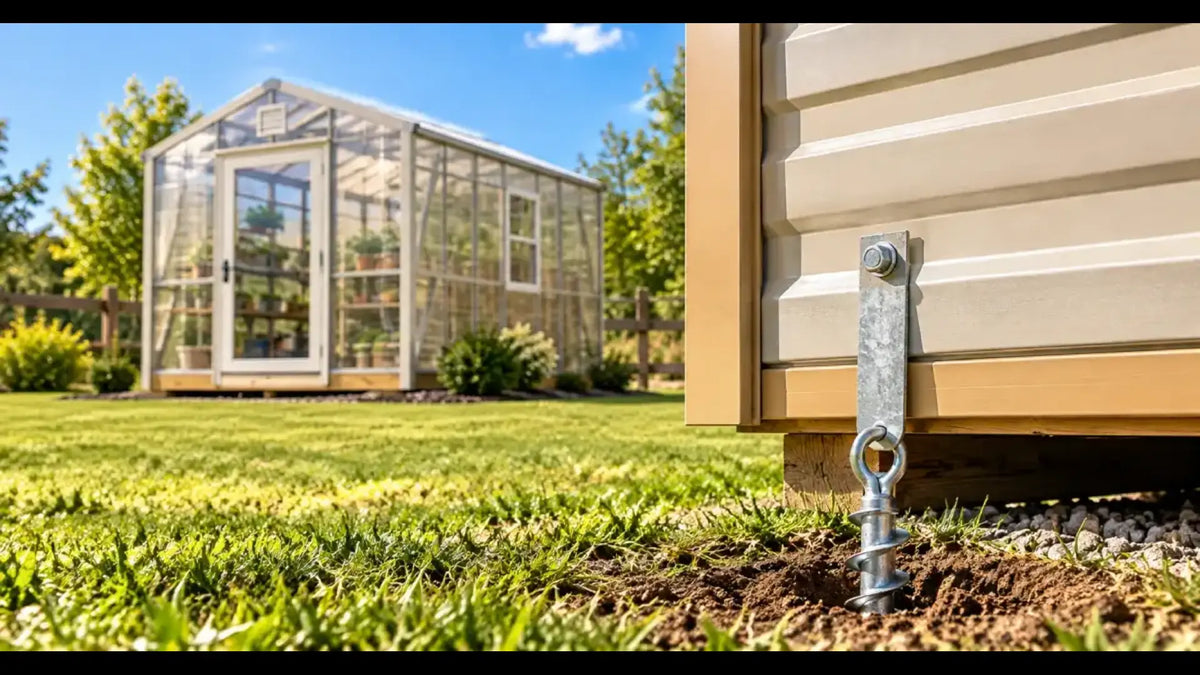
Storms are a big concern too. Steel-framed buildings can be rated for winds up to 160 MPH when properly anchored with tie-downs. Our posts on metal storage buildings in the Southeast and buildings that resist humidity and mold go deeper on regional weather.
How long does a galvanized steel shed last?
A quality steel shed typically lasts 20 to 30 years or more with basic care. Galvanized framing, a protective roof coating, a level and well-drained site, and simple seasonal checks all help it reach the high end of that range.
For a material-by-material breakdown, see our guide to how long portable buildings last.
Frequently Asked Questions About Galvanized Steel Sheds
For more quick answers, visit our FAQ page.
Are your buildings weather resistant?
Yes. Our buildings use galvanized steel framing and Galvalume roofing, and steel-framed buildings are rated for winds up to 160 MPH when properly anchored with tie-downs.
Do I need to paint a galvanized steel shed?
No. The zinc coating protects the steel without paint. Just touch up deep scratches that expose bare metal with a zinc-rich touch-up paint.
How often should you inspect a galvanized steel shed?
A quick check once a season and after major storms is enough for most sheds. Look at the roof, fasteners, doors, and drainage around the base.
What is white rust on a galvanized shed?
White rust is a powdery film that can form when zinc stays wet without airflow. Improving drainage and ventilation usually prevents it from returning.
Are galvanized steel sheds good for lawn equipment?
Yes. Steel framing handles the weight of mowers and equipment, and a galvanized storage shed resists the moisture and pests that can damage stored gear.
Final answer: is a galvanized steel shed worth it?
For most homeowners, yes. A galvanized steel shed resists rust, rot, and termites, skips the painting and sealing that wood requires, and typically lasts 20 to 30+ years. It isn’t completely maintenance-free, but a few quick checks each season are all it takes to keep it in great shape.
If you want a building that holds up to Southeast weather without eating up your weekends, galvanized steel is a strong choice.
Ready to price one out? Request a quote to find the right size and features for your yard.
Share:
How to Winterize a Shed for Cold Weather in Birmingham, AL
Pre Built Sheds vs. Custom-Built Sheds: How to Choose